
🏛️ The Giants’ Tombs in Sardinia: History and Mystery
For those interested in exploring the Nuragic civilization, the Cuccuru Mannu Giants Tomb Complete Guide to the Nuragic Site in Riola Sardo offers a unique opportunity. The Giants’ Tombs represent one of the most fascinating and mysterious monuments of the Nuragic civilization in Sardinia. These imposing collective burial sites, dating back to the Ancient and Middle Bronze Age (18th-13th centuries BC), dot the island with their majestic and enigmatic presence.
During my archaeological explorations in Sardinia, I have always been struck by the grandeur of these megalithic structures. Their characteristic “bull’s head” shape when viewed from above, with the semicircular exedra opening toward the landscape, seems to embrace infinity. Built with enormous stone blocks, these tombs served as collective burials for entire Nuragic communities.
Popular legends gave rise to the name “Giants’ Tombs,” fueling tales of legendary heroes and mythological creatures that would have inhabited the island. According to oral tradition, these monuments would have been the eternal dwellings of giants who protected Sardinia, warriors of superhuman stature who watched over their territories even after death.

🗿 The Giants’ Tomb of Cuccuru Mannu: Jewel of Riola Sardo
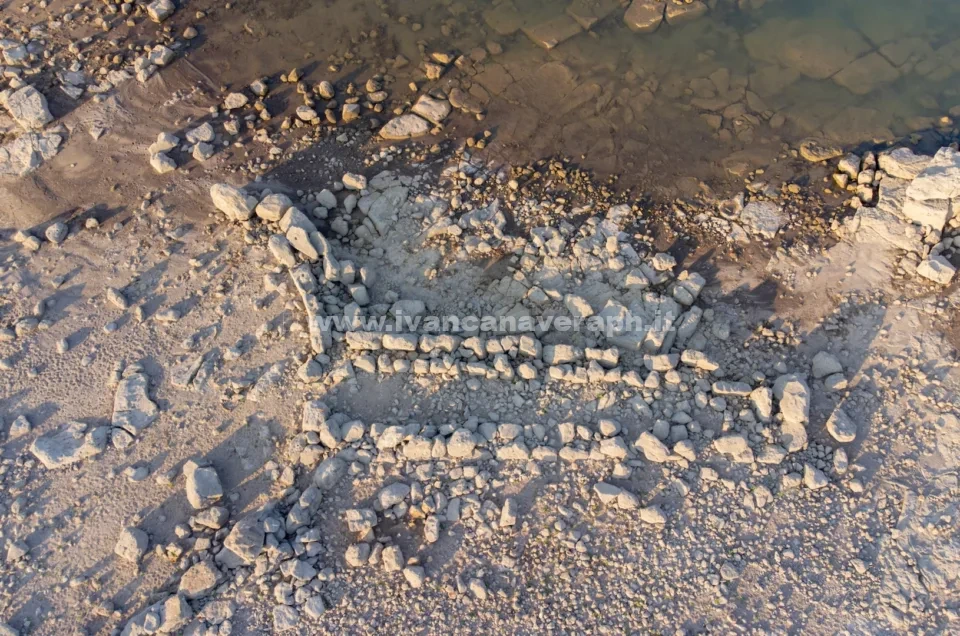
Located in the territory of Riola Sardo, the Giants’ Tomb of Cuccuru Mannu stands as one of the most significant Nuragic monuments in the area. This extraordinary example of Nuragic funerary architecture has always fascinated me for its perfect preservation and strategic position in the Oristano landscape.
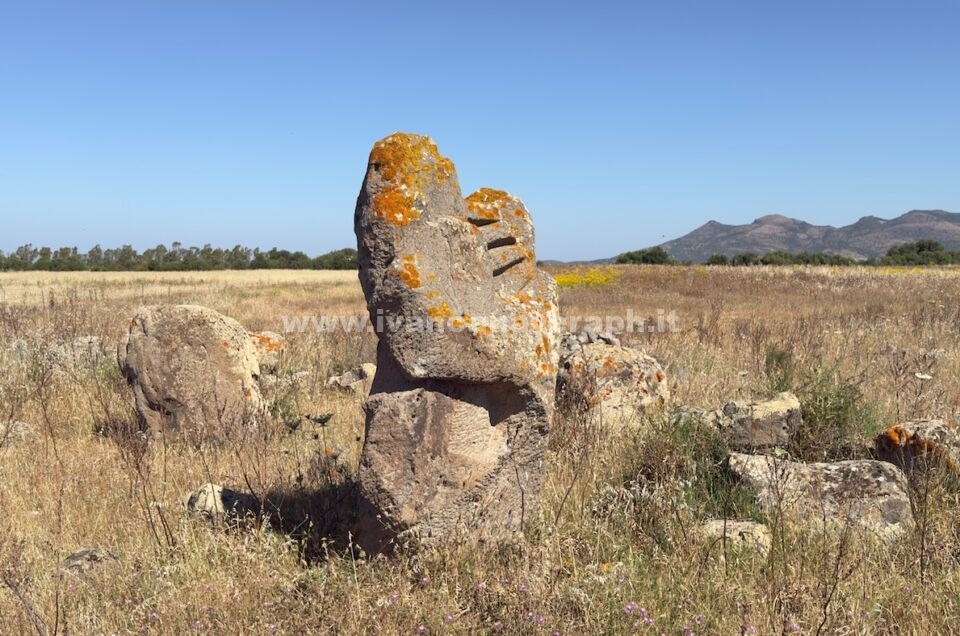
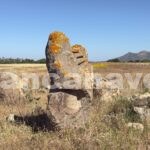
The structure presents the typical characteristics of giants’ tombs: an imposing curved stele about 4 meters high, flanked by a semicircular exedra formed by stone slabs arranged in decreasing order. The funerary corridor, about 12 meters long, develops inside the tumulus and ends with an apsidal chamber where the deceased were laid to rest.
What makes this tomb unique is its exceptional construction craftsmanship. The trachyte and basalt blocks have been worked with precision that testifies to the high technical level achieved by the Nuragic builders. The central stele, decorated with geometric motifs, has a small opening at the base that allowed the passage of offerings and served as a symbolic connection between the world of the living and that of the dead.
🏖️ A Strategic Site Between Sea and Mountains
The geographical position of the Cuccuru Mannu Tomb reveals the strategic importance this site held in antiquity. Located just a few kilometers from the splendid beaches of the Oristano coast, including the famous Is Arenas Beach and the wild Marina di Torre Grande, the tomb visually controlled a territory of great economic and commercial relevance.
The proximity to the sea was not coincidental: the Nuragic populations were skilled navigators and traders, and the elevated position of the tomb allowed control of marine routes and coastal landings. Furthermore, the proximity to the Riola Mountains, where the famous “Giants of Monte Prama” were found, underlines the importance of this area as a religious and funerary center of the Nuragic civilization.
This privileged location, between the fertile alluvial plains of the Tirso and the heights overlooking the Gulf of Oristano, made Cuccuru Mannu a reference point for the Nuragic communities that inhabited the region. The tomb was not only a burial place but a true spiritual and social center that brought together different communities of the territory.
⚱️ The Treasure of the Giants of Monte Prama
A few kilometers from the Cuccuru Mannu Tomb, in the territories of Cabras and Riola Sardo, one of the most sensational archaeological discoveries of the 20th century occurred: the discovery of the Giants of Monte Prama. These extraordinary stone warriors, over two meters tall and dating back to the 9th-8th centuries BC, represent the oldest monumental statuary in the western Mediterranean.
During my studies of the site, I was able to see how the presence of these statues near the Cuccuru Mannu tomb is not coincidental. This territory was evidently considered sacred by the Nuragic populations, a place where to concentrate the burials of the most important figures of the community. The Giants of Monte Prama, with their armor, shields, and swords, were probably eternal guardians of this sacred space.
The connection between the tomb and the statues depicts the evolution of Nuragic funerary culture: from the anonymous collective burials of the giants’ tombs, we move to the individual celebration of heroes through anthropomorphic statues. This passage marks a fundamental social and religious transformation in the history of ancient Sardinia.

👉 Per i miei viaggi scelgo sempre DiscoverCars per il noleggio auto.
È affidabile, veloce e con ottime tariffe.
👉 I always choose DiscoverCars for my trips.
Reliable, fast and with excellent rates.


🏆 Three Must-See Giants’ Tombs in Sardinia
Sa Domu ‘e s’Orcu in Siddi
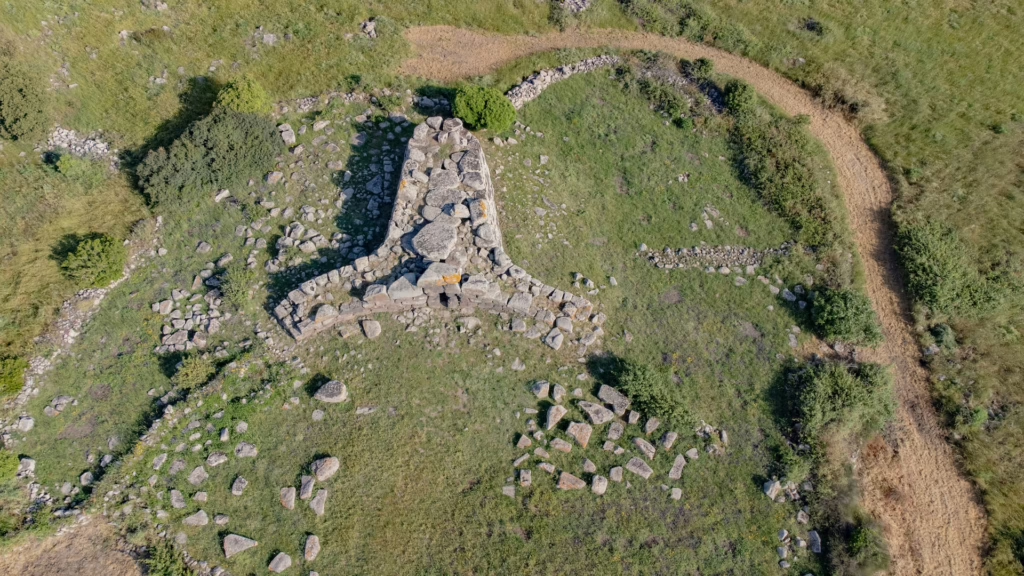
In the territory of Siddi, the tomb of Sa Domu ‘e s’Orcu (literally “the house of the ogre”) represents one of the best-preserved examples of giants’ tombs in Sardinia. Its curved stele, 3.75 meters high, is decorated with refined geometric motifs and has a perfectly preserved small door of the dead.
San Cosimo in Gonnosfanadiga
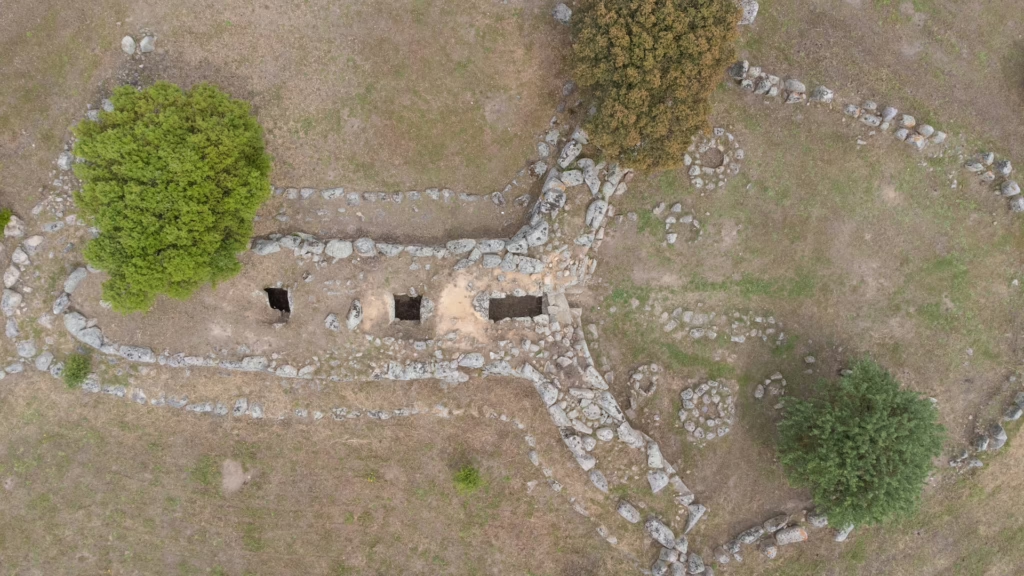
The tomb of San Cosimo, located in the territory of Gonnosfanadiga, stands out for its monumental dimensions and the richness of the artifacts found inside. With a funerary corridor over 15 meters long, this tomb has yielded hundreds of objects that testify to the wealth and social importance of the community that used it.
Coddu Vecchiu in Arzachena
In northern Sardinia, the tomb of Coddu Vecchiu (literally “old stone”) represents a masterpiece of Nuragic architecture. Its central stele, 4.04 meters high, is the tallest ever found in a giants’ tomb. The perfect preservation of the structure and the beauty of the surrounding landscape make this site an essential stop for anyone who wants to understand the greatness of the Nuragic civilization.

Gallery:


Mpas:
Le tombe dei giganti sono tra i monumenti più importanti della Sardegna e cliccando qui puoi leggere un articolo che approfondisce l’argomento. Inoltre, esse risalgono a circa 3.000 anni fa e si trovano in diverse aree dell’isola (fonte wikipedia o dagli articoli del mio blog):
- tomba dei giganti di Lu Brandali, a Santa Teresa Gallura (SS)
- tomba dei giganti di Iloi, a sedilo (Or)
- Tomba dei giganti Is Lapideddas a Gonnosno (or)
- tomba dei giganti di Aiodda, a Nurallao (SU)
- tomba dei giganti di Badu Campana, a Cuglieri (OR)
- tomba dei giganti di Barrancu Mannu, a Santadi (SU)
- tomba dei giganti di Bau e Tuvulu, a Ulassai (NU)
- tomba dei giganti di Bidistili, a Fonni (NU)
- tomba dei giganti di Biristeddi, a Dorgali (NU)
- tomba dei giganti di Bruncu Espis, ad Arbus (SU)
- tombe dei giganti di Goronna, a Paulilatino (OR)
- tomba dei giganti di Imbertighe, a Borore (NU)
- tomba dei giganti di Is Concias, a Quartucciu (CA)
- tomba dei giganti di Laccaneddu, a Villanova Monteleone (SS)
- tomba dei giganti di Lassia, a Birori (NU)
- Tomba dei giganti di Coddu Ecchju, Ad Arzachena (SS)
- tomba dei giganti di Li Lolghi, ad Arzachena (SS)
- Tomba dei Giganti Su Niu de Su Crobu, Sant’Antioco (su)
- tomba dei giganti di Madau, a Fonni (NU)
- tomba dei giganti di Muraguada, a Bauladu (OR)
- tomba dei giganti di Oratanda, a Cuglieri (OR)
- tomba dei giganti di Oridda, a Sennori (SS)
- tomba dei giganti di Osono, a Triei (NU)
- tomba dei giganti di Palatu, a Birori (NU)
- tomba dei giganti di Pascaredda, a Calangianus (SS)
- tomba dei giganti di Sa Dom’e s’Orcu, a Dolianova (SU)
- tomba dei giganti di Sa Domu ‘e S’Orcu, a Siddi (SU)
- tomba dei giganti di S’Ena e Thomes, a Dorgali (NU)
- tomba dei giganti di Sa Farch´e s’Artare a Seneghe (OR)
- tomba dei giganti di Sa Perda ‘e S’Altare, a Birori (NU)
- tomba dei giganti di San Cosimo, a Gonnosfanadiga (SU)
- tomba dei giganti di Santu Bainzu, a Borore (NU)
- tomba dei giganti di Sas Presones, a Cuglieri (OR)
- tomba dei giganti di Seruci, a Gonnesa (SU)
- tomba dei giganti di Su cuaddu ‘e Nixias a Lunamatrona (SU)
- tomba dei giganti di Su Mont’e s’Abe, a Olbia (SS)
- tombe dei giganti di Sa Mandara, a Guasila (SU)
Se ti piacciono queste immagini puoi acquistarle “cliccando QUI” oppure “QUI”
👉 Per i miei viaggi mi affido sempre a Discoverycars per il noleggio auto. Se vuoi viaggiare senza pensieri, ti consiglio questa società: clicca sull’immagine e scopri di più!
👉 I always choose Discoverycars for my trips. If you want to travel safely and worry-free, I highly recommend them – just click the image to learn more!
👉 En mis viajes siempre confío en Discoverycars para alquilar el coche. Si quieres viajar con tranquilidad, te recomiendo esta compañía: haz clic en la imagen y descubre más.

FAQ – Frequently Asked Questions (English)
1. When were the Giants’ Tombs built?
The Giants’ Tombs were built during the Ancient and Middle Bronze Age, between the 18th and 13th centuries BC, by the Nuragic civilization.
2. Why are they called “Giants’ Tombs”?
The name comes from Sardinian folk legends that attributed these monuments to mythological giants. In reality, they were collective burials of Nuragic communities.
3. How can I visit the Cuccuru Mannu Tomb?
The tomb is freely accessible and is located in the territory of Riola Sardo, easily reachable by car from the main roads in the area.
4. What are the Giants of Monte Prama?
They are statues of Nuragic warriors made of limestone, dating back to the 9th-8th centuries BC, discovered near Riola Sardo and considered the oldest monumental statuary in the western Mediterranean.
5. What is the function of the small opening in the stele?
The small opening at the base of the stele, called the “door of the dead,” allowed the passage of offerings and served as a symbolic connection between the world of the living and that of the dead.


You might also like