🌄 A Journey into the Heart of Nuragic Civilization
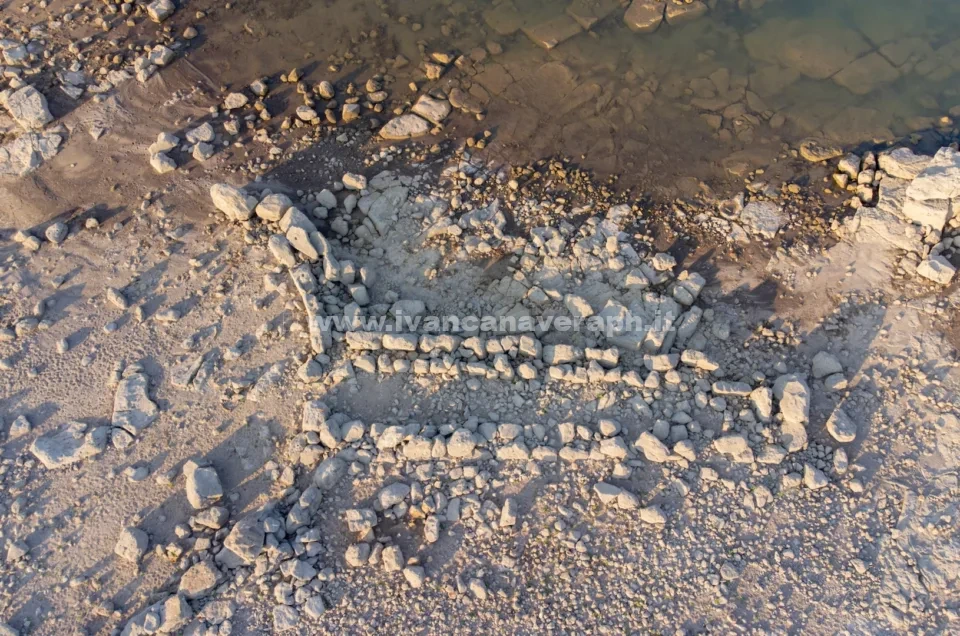
The Giants’ Tombs of Sardinia: Sacred Monuments of the Nuragic Civilization are among the most awe-inspiring and mysterious expressions of Nuragic funerary architecture, developed in Sardinia starting from the second millennium BCE. These megalithic monuments, scattered across the island, have fascinated generations of travelers, archaeologists, and history lovers with their grandeur, precise construction, and sacred aura.
Named “Giants’ Tombs” since the 19th century due to their massive dimensions and the popular belief that giants were buried inside, these sites were actually collective burial chambers used over generations to honor and preserve the memory of ancestors.
🛕 Structure and Symbolism
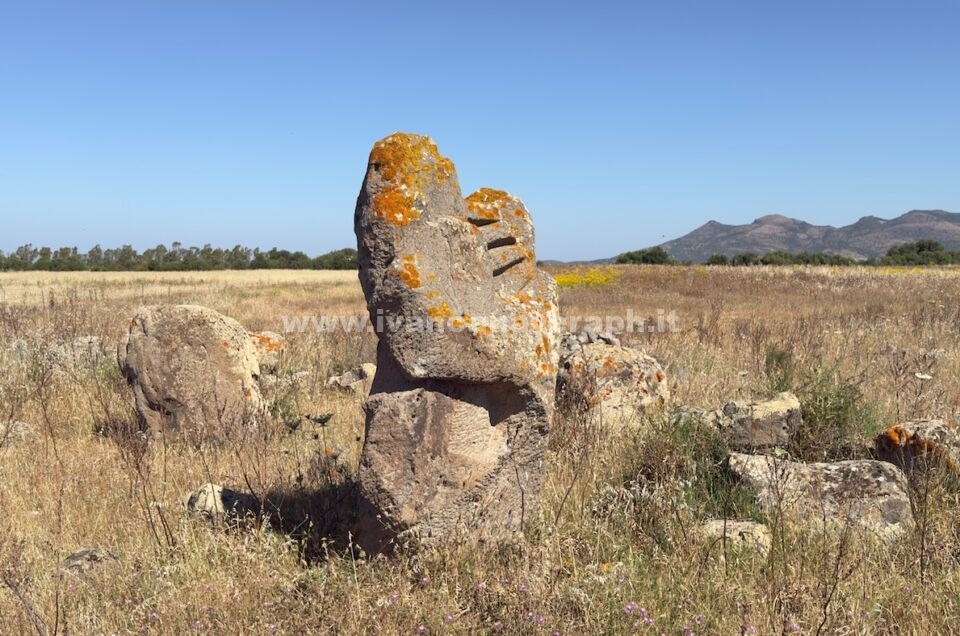
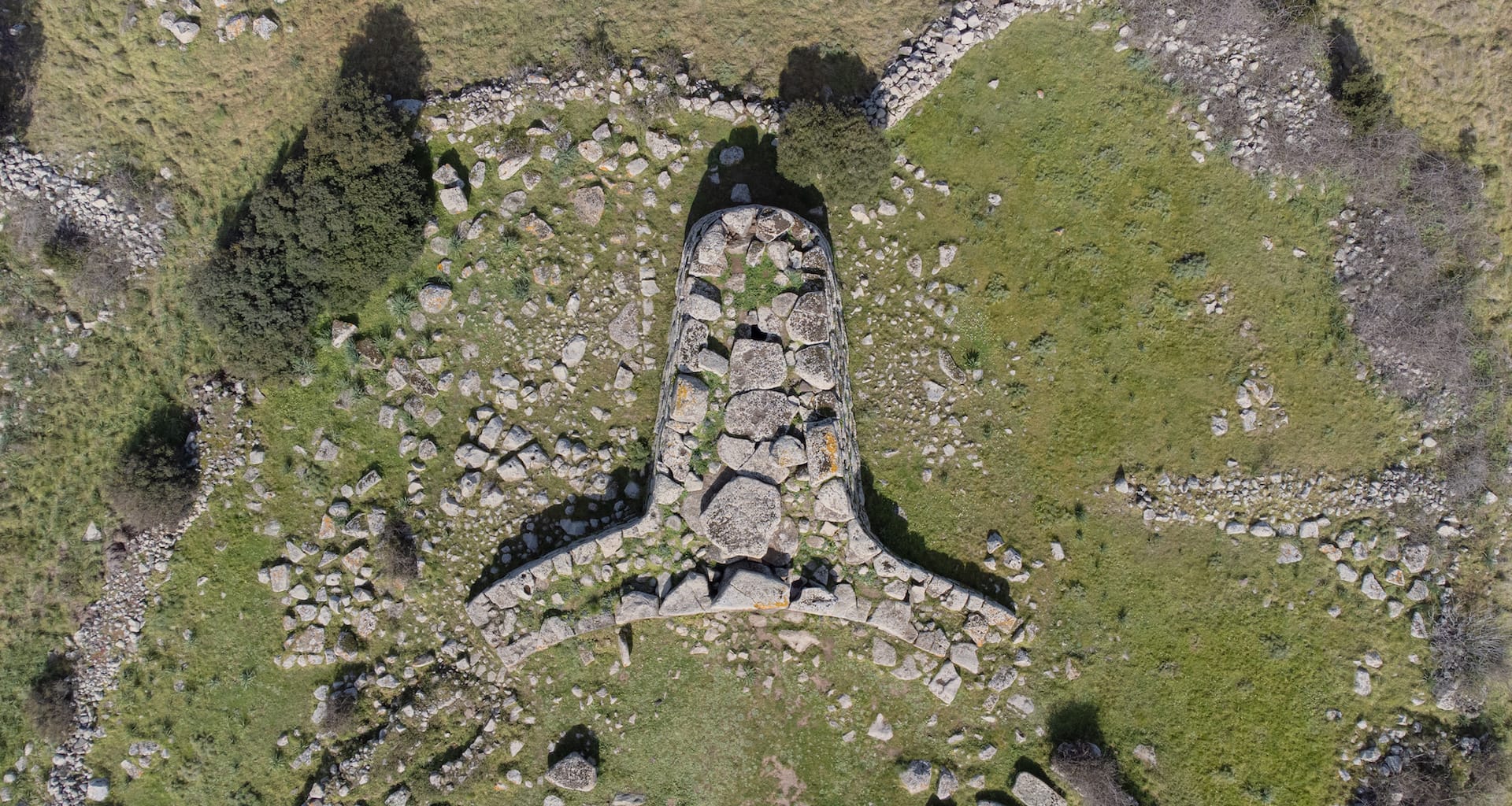
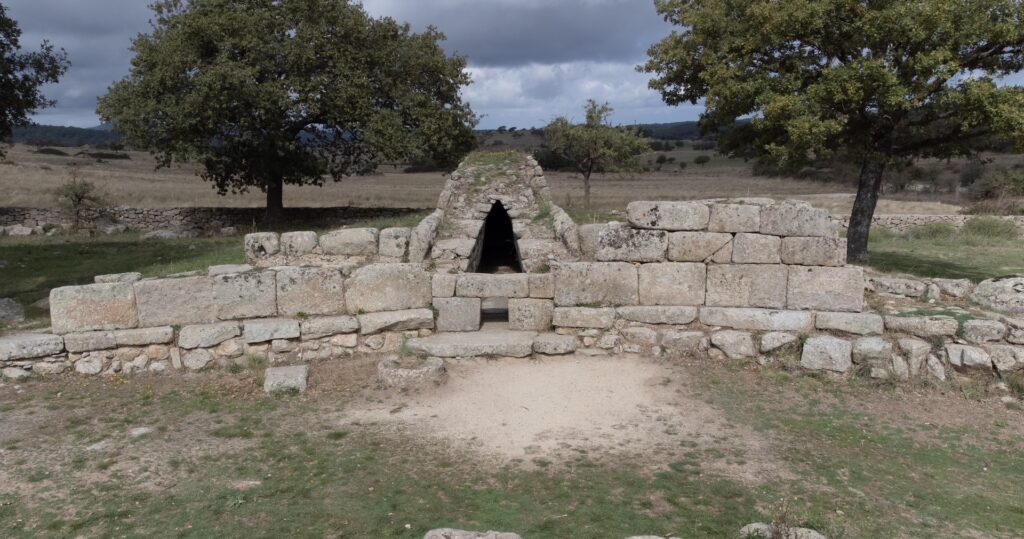
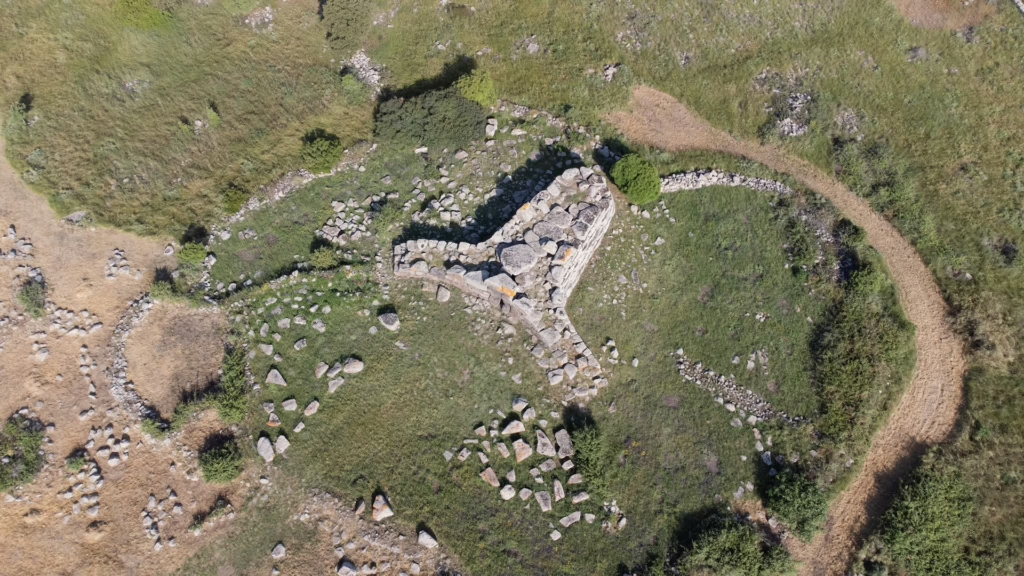
Giants’ Tombs typically have an elongated shape, featuring a covered funerary corridor and a monumental front area known as the exedra, often adorned with a central stele carved with symbolic motifs—like the false door, possibly representing a passage between the world of the living and the dead.
The “bull’s head” shape of the exedra, seen at sites like Coddu Ecchju and S’Ena e Thomes, likely symbolizes fertility or divine protection. Building materials varied by region—basalt, granite, or trachyte—but all reveal expert craftsmanship and technical knowledge.
These tombs were not only burial places but sacred ceremonial centers for community rituals, offerings, feasts, and celebrations linked to agricultural and solar cycles.
👉 Per i miei viaggi scelgo sempre DiscoverCars per il noleggio auto.
È affidabile, veloce e con ottime tariffe.
👉 I always choose DiscoverCars for my trips.
Reliable, fast and with excellent rates.


📍 The Most Notable and Impressive Tombs
Today, about 800 Giants’ Tombs are known across Sardinia, but a few stand out for their condition, scale, and historical importance:
📌 Coddu Ecchju (Arzachena)
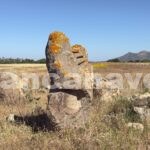
Iconic for its decorated stele over 4 meters high, this tomb is one of the most striking in Gallura.

📌 S’Ena e Thomes (Dorgali)
Impressively preserved and precisely aligned, surrounded by Mediterranean vegetation and mystery.
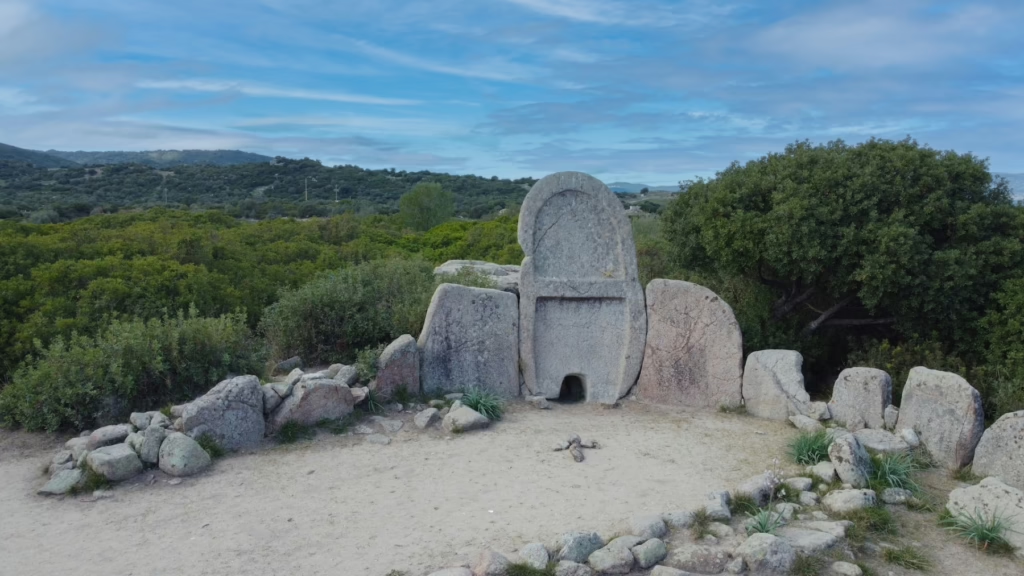
📌 Madau Complex (Fonni)
A rare trio of aligned tombs set in the scenic heart of the Barbagia mountains.

📌 Barrancu Mannu (Santadi)
Located in Sulcis, it blends harmoniously with a pristine natural environment.
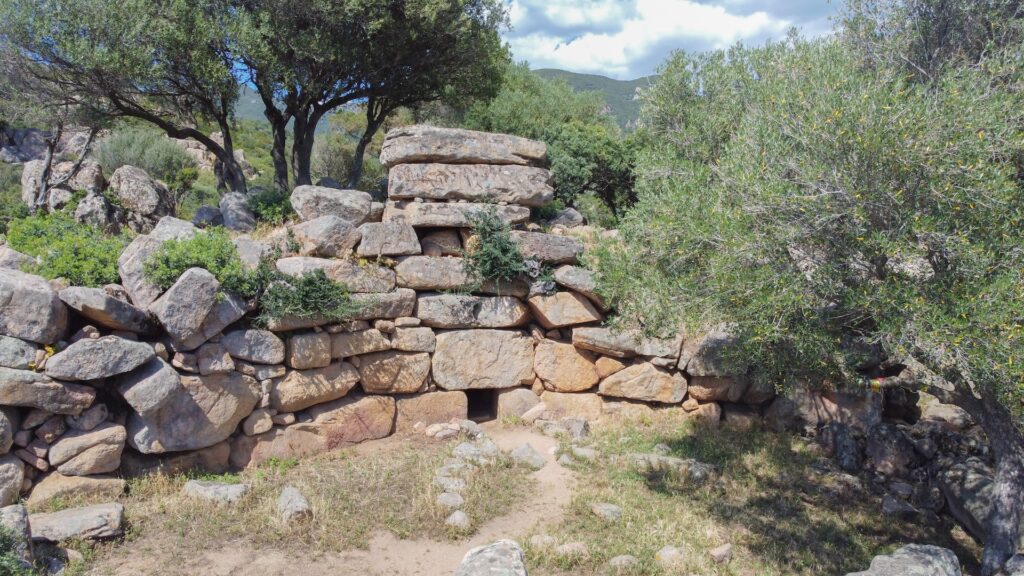
📌 Sa Domu ‘e S’Orcu (Siddi)
Well-preserved and easily accessible on the Giara plateau, known for its symbolic granite block.
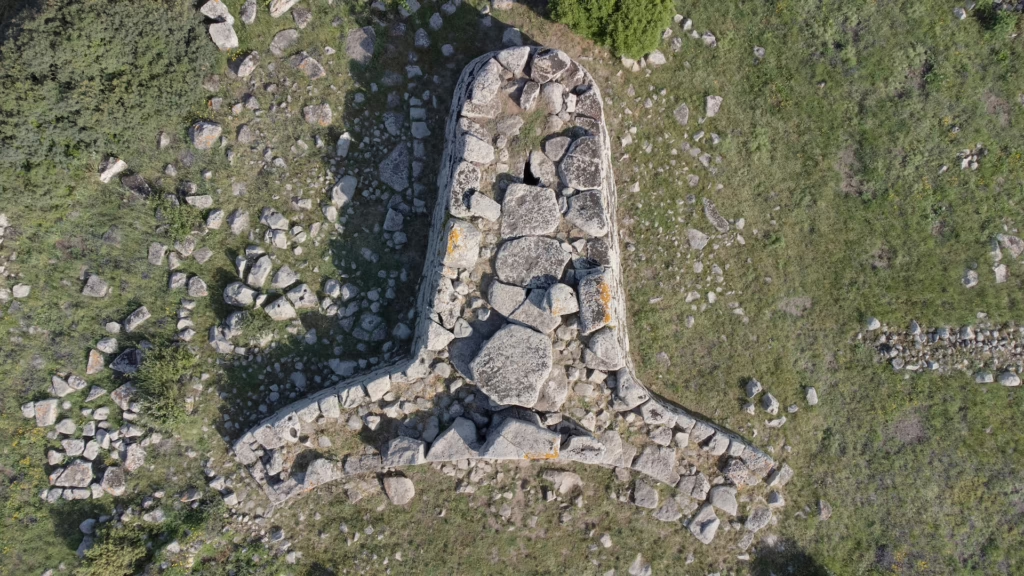
📌 Su Niu de su Crobu (Sant’Antioco)
Among the island’s oldest, built with dry-stone technique and no central stele.
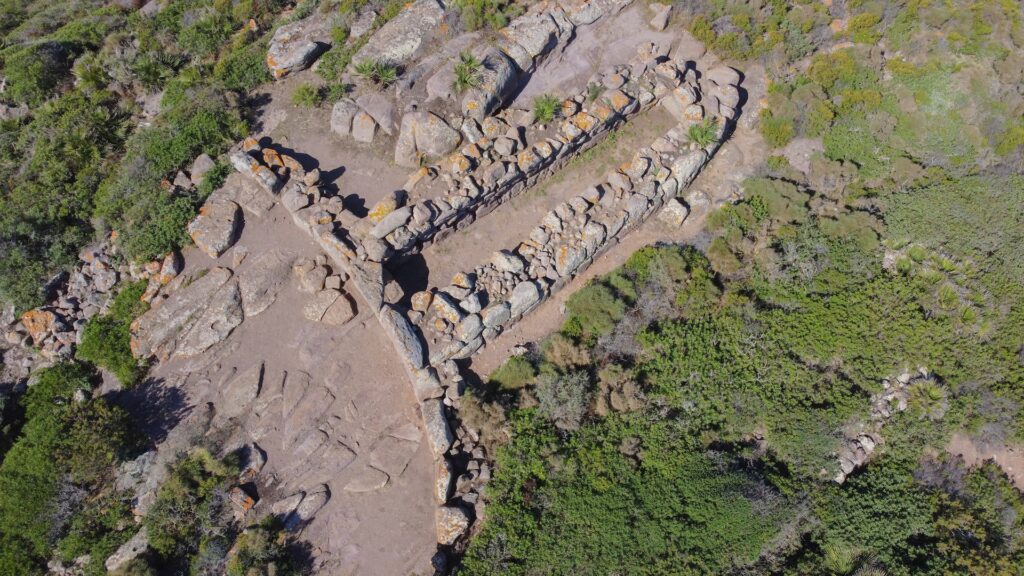
📌 Iloi (Sedilo)
Fine examples from south-central Sardinia, surrounded by captivating landscapes.
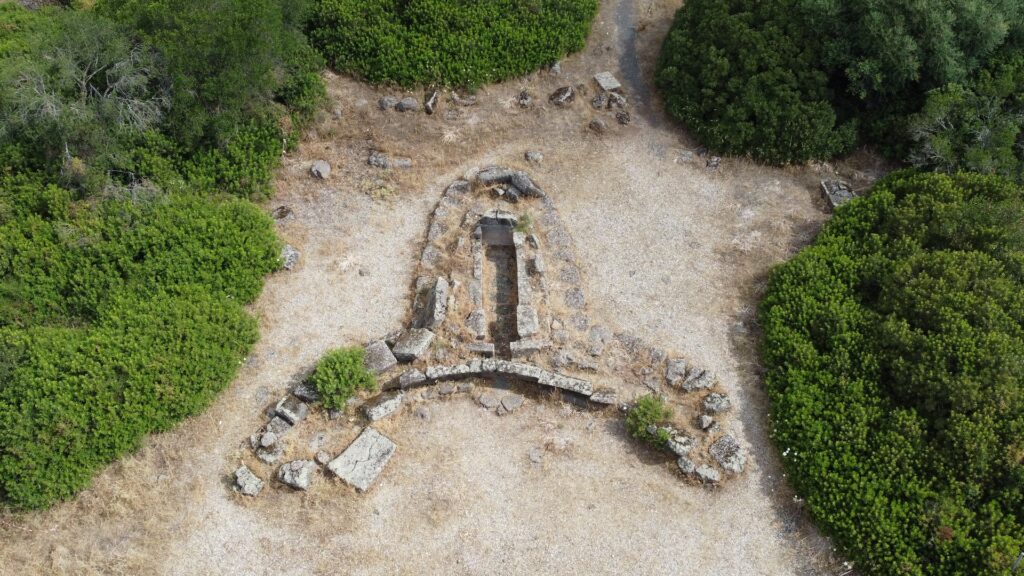
📌 San Cosimo (Gonnosfanadiga)
Strategically placed with a panoramic view, ideal for visitors.

✨ Sacred Spaces Beyond Death
Beyond their funerary purpose, Giants’ Tombs were sacred spaces central to Nuragic spirituality. Often built on hills, ridges, or near springs, and aligned with celestial events like solstices or the sunrise, they reflect deep astronomical knowledge and a symbolic connection to life’s cycles.
The cult of ancestors played a central role in Nuragic religion. Through collective burial and periodic rituals, people reinforced their community identity and connection to their roots. Many of these tombs were used for centuries, highlighting their enduring spiritual and social value.
📚 Sources and Related Sites
These tombs are among Sardinia’s most important monuments. Here are some other key examples:
- Li Lolghi, Arzachena
- Coddu Ecchju, Arzachena
- Pascaredda, Calangianus
- Barrancu Mannnu, Santadi
- Aiodda, Nurallao
- Su Niu de Su Crobu, Sant’Antioco
- Is Concias , Quartucciu
- Tombs of Medau, Fonni
- IIloi, Sedilo
- Sa Dom’e s’Orcu, Siddi
- San Cosimo, Gonnosfanadiga
👉 Per i miei viaggi mi affido sempre a Discoverycars per il noleggio auto. Se vuoi viaggiare senza pensieri, ti consiglio questa società: clicca sull’immagine e scopri di più!
👉 I always choose Discoverycars for my trips. If you want to travel safely and worry-free, I highly recommend them – just click the image to learn more!
👉 En mis viajes siempre confío en Discoverycars para alquilar el coche. Si quieres viajar con tranquilidad, te recomiendo esta compañía: haz clic en la imagen y descubre más.

❓ FAQ – Frequently Asked Questions
🧱 How many Giants’ Tombs are there in Sardinia?
About 800, spread throughout the island.
🔍 What was their purpose?
They served as collective burial sites and ceremonial spaces.
🐂 Why the bull’s head shape?
It likely symbolized fertility and sacred protection.
⛏️ Are they all the same?
No, architectural styles vary by region and era.
🏞️ Which is the most famous?
Coddu Ecchju for its height, Madau for its layout, and Sena e Thomes for its setting.


You might also like