🏛️ UNESCO Recognition: A Historic Milestone for Sardinia
July 12, 2025, represents an epochal date for Sardinian and Italian archaeology. During the 47th session of the UNESCO World Heritage Committee held in Paris, Sardinia’s Domus de Janas were officially recognized as World Heritage Sites. This prestigious recognition, however, didn’t come suddenly, but rather is the result of a journey that began in 2018 on the initiative of the “Identity and Memory” Studies Center (CeSim). Moreover, the research work was coordinated by Professor Giuseppa Tanda, while the Municipality of Alghero acted as the leader of the Domus de Janas Municipalities Network.
The serial site, named “Funerary Traditions in Sardinia’s Prehistory: the domus de janas,” was recognized according to criterion III of the 1972 UNESCO Convention. Therefore, this criterion rewards the exceptional testimony of a disappeared cultural tradition. Finally, the recognition doesn’t concern only individual monuments, but the entire system of beliefs and funerary practices of ancient prehistoric Sardinian civilization.

🏺 What Are the Domus de Janas: Masterpieces of Prehistoric Architecture
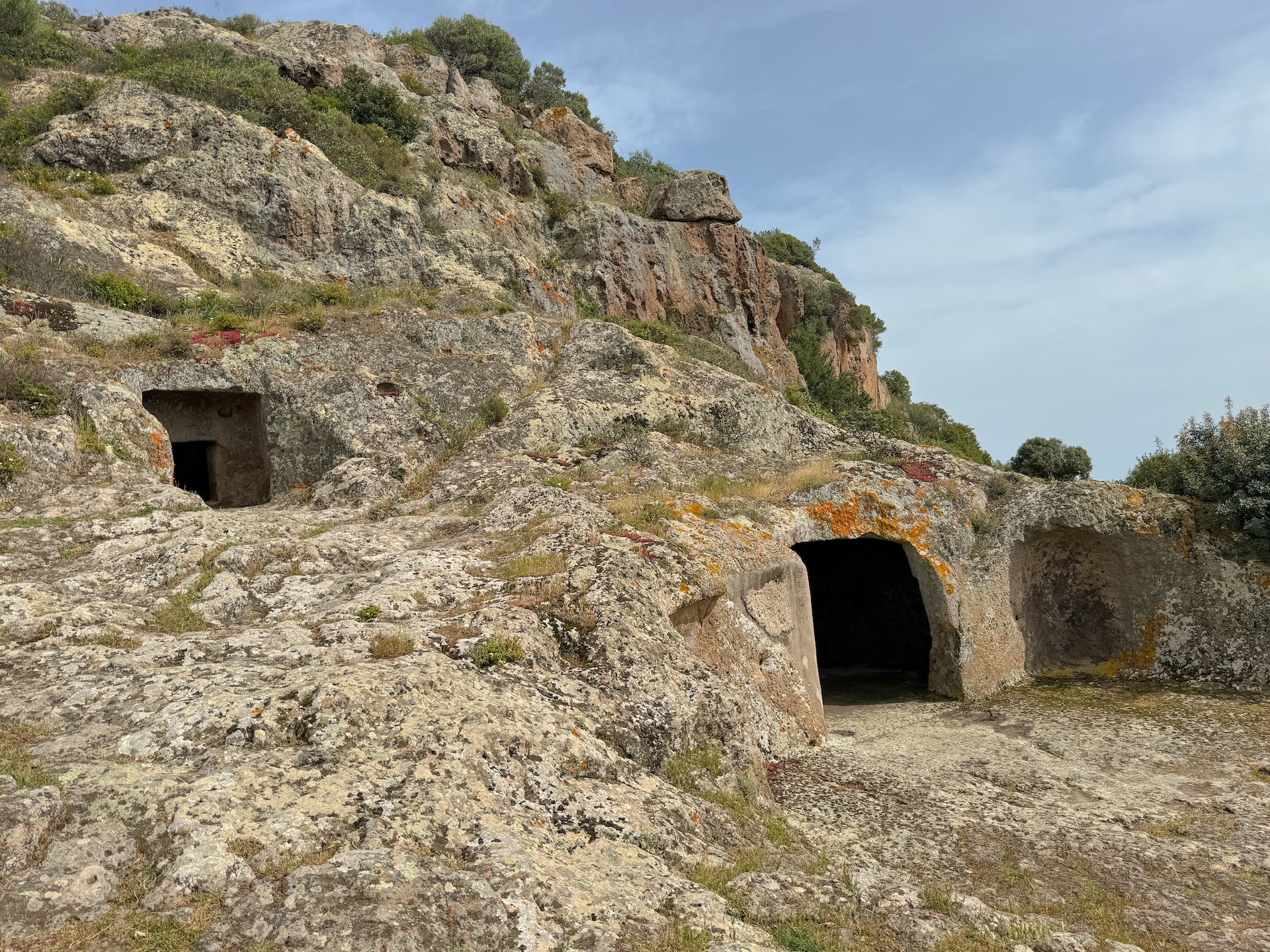
The Domus de Janas, literally “fairy houses” in the Sardinian language, are ancient hypogeum tombs carved into living rock. These extraordinary funerary structures, moreover, date back to the period between the Late Neolithic and Early Bronze Age (4400-2000 BC). However, the term “fairy houses” derives from popular tradition that, unable to explain the origin of these mysterious cavities, attributed them to magical creatures.
From an architectural perspective, the Domus de Janas present an extraordinary variety of forms and sizes. Some, indeed, are simple monocellular grottoes, while others constitute articulated complexes with multiple interconnected rooms. Moreover, many of them faithfully reproduce the architecture of the era’s dwellings, with decorative elements that include false doors, windows, pillars, and vaulted ceilings. Therefore, these details suggest a conception of the afterlife as a continuation of earthly life.
The most fascinating aspect of these tombs, however, lies in their decorations. Some Domus de Janas, indeed, feature engravings and paintings that represent sacred symbols, geometric figures, and sometimes representations of the Great Mother, a deity linked to fertility and rebirth.

👉 Per i miei viaggi scelgo sempre DiscoverCars per il noleggio auto.
È affidabile, veloce e con ottime tariffe.
👉 I always choose DiscoverCars for my trips.
Reliable, fast and with excellent rates.


🧚♀️ Why “Fairy Houses”: The Enchanting Legend Behind the Name
The poetic name “Domus de Janas” reveals the profound connection between Sardinian popular culture and these mysterious prehistoric monuments. The term “janas” refers to fairy-like creatures from Sardinian folklore, described as small women with magical powers who inhabited caves and rocky crevices. According to ancient oral traditions, these fairies were skilled weavers who worked on golden looms during moonlit nights, creating precious fabrics with supernatural abilities.
Popular imagination, however, couldn’t explain how such perfect chambers could have been carved into solid rock without modern tools. Consequently, local communities attributed their creation to these mythical beings, believing that the janas had carved these elaborate underground dwellings for themselves and their families. Furthermore, the folk tradition held that these fairy houses were connected by underground tunnels, forming a vast subterranean kingdom where the janas lived in harmony.
This legendary explanation, therefore, preserved the memory of these monuments through millennia, passing down from generation to generation until modern archaeology revealed their true nature. Nevertheless, the name “fairy houses” continues to evoke the sense of wonder and mystery that these extraordinary prehistoric creations inspire. Indeed, the poetic denomination reflects the Sardinian people’s ability to transform archaeological enigmas into fascinating narratives that celebrate both the island’s ancient heritage and its rich storytelling tradition.

🌟 Sardinia’s Most Spectacular Necropolises: Archaeological Treasures
Sardinia houses over 3,500 Domus de Janas distributed throughout the island territory, however some necropolises stand out for their archaeological importance and beauty. The Anghelu Ruju necropolis near Alghero, for example, is considered one of the largest in the Mediterranean with its 38 tombs. Moreover, this archaeological site has yielded numerous artifacts that testify to the cultural richness of prehistoric populations.
Similarly, the Sant’Andrea Priu necropolis in Bonorva represents an exceptional example of prehistoric funerary architecture. This structure, indeed, comprises 18 hypogeum tombs, including the famous “Chief’s Tomb” which presents a complex layout with multiple rooms. Furthermore, some of these tombs were later transformed into rock churches during the Byzantine period.
In the northern part of the island, the Mesu ‘e Montes necropolis in Ossi constitutes another archaeological gem. This site, however, is distinguished by the presence of tombs with pictorial decorations that include solar and lunar symbols. Therefore, these decorative elements provide precious information about the religious beliefs of ancient Sardinian populations.

🏛️ The Montessu Necropolis: Sulcis Region’s Jewel
Located in the municipality of Villaperuccio, the Montessu necropolis represents the most imposing burial ground in southern Sardinia. This extraordinary archaeological site, moreover, is set in a natural amphitheater of trachytic rock on the southern slope of Sa Pranedda hill. The necropolis, however, extends for over a kilometer and comprises more than 40 hypogeum tombs, of which 35 are currently visitable.
The tombs of Montessu, explored between 1971 and 2007 by archaeologists Enrico Atzeni and Remo Forresu, present exceptional typological variety. Some, indeed, are simple monocellular grottoes, while others show complex layouts with multiple rooms connected by corridors. Moreover, the arrangement of tombs along the rocky wall follows a geometric order that suggests pre-planned design.
The period of use of Montessu extends from the Final Neolithic (3200-2800 BC) to the Early Bronze Age (1800-1600 BC), as demonstrated by the ceramic artifacts found. Therefore, this long temporal arc testifies to the cultural continuity of populations that inhabited the territory. Finally, the necropolis offers visitors a unique experience, allowing them to literally walk through Sardinia’s millennial history.

🌄 Other Archaeological Masterpieces: Genna Salixi, Sant’Andrea Priu and S’Accuqa Salida
The Genna Salixi necropolis in Villa Sant’Antonio represents one of the most fascinating examples of funerary architecture in the Sarcidano region. This site, indeed, comprises nine hypogeum tombs carved in a sandstone bank, characterized by articulated layouts and refined architectural details. Moreover, some tombs present sculpted decorative elements that faithfully reproduce the domestic architecture of the era. The main tomb, however, is distinguished by the presence of a central chamber surrounded by lateral cells, suggesting a well-defined social hierarchy.

Sant’Andrea Priu in Bonorva constitutes an archaeological complex of extraordinary importance, comprising 18 domus de janas arranged on three levels. The “Chief’s Tomb,” in particular, represents a masterpiece of prehistoric architecture with its richly decorated rooms. Furthermore, this site presents the particularity of having been reused in Byzantine times as a Christian place of worship. Therefore, the cultural overlaps make Sant’Andrea Priu an archaeological palimpsest of exceptional value.
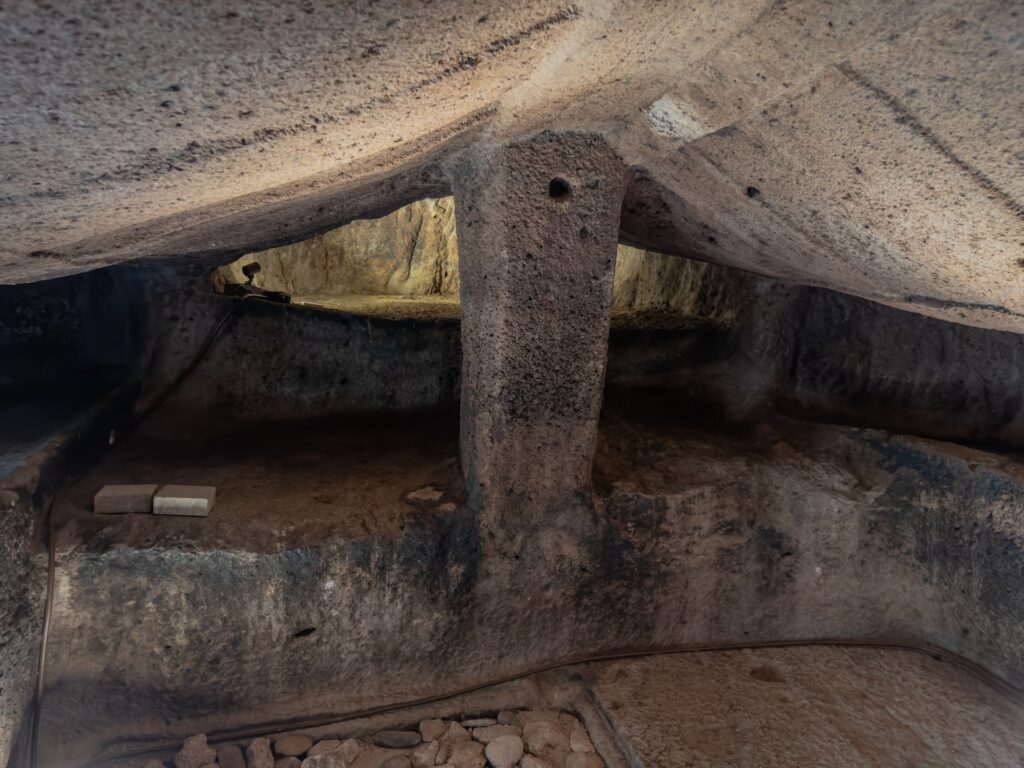
S’Accuqa Salida in Sant’Andrea Frius, finally, offers a significant example of Campidano’s funerary art. This necropolis, however, is characterized by the presence of tombs with well-preserved pictorial decorations, including geometric motifs and sacred symbols. Moreover, the planimetric arrangement of tombs reflects a complex cosmological conception, where each architectural element assumes a specific symbolic meaning.

🇮🇹 Italy’s World Heritage Supremacy
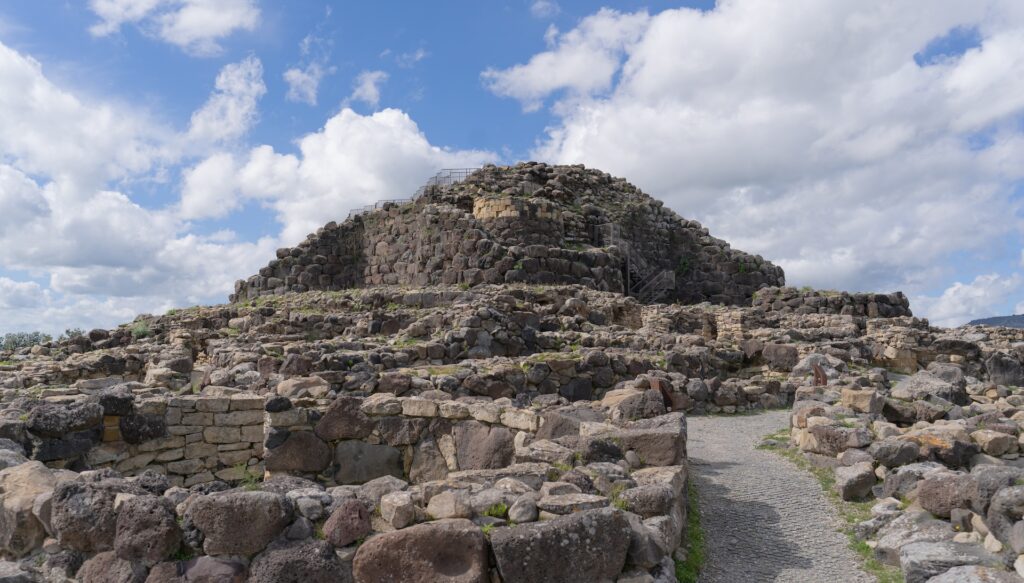
With the inclusion of the Domus de Janas, Italy consolidates its world supremacy in the prestigious UNESCO list, reaching 61 recognized sites. This achievement, however, represents not just a number, but rather testifies to the extraordinary cultural and landscape richness of our country. Moreover, “Funerary Traditions in Sardinia’s Prehistory: the domus de janas” becomes the second Sardinian site after the “Su Nuraxi” nuraghe in Barumini, recognized in 1997.
The UNESCO recognition, therefore, opens new perspectives for the development of cultural tourism in Sardinia and for the enhancement of the island’s archaeological heritage. The president of the Sardinia Region, Alessandra Todde, defined this result as “a historic milestone that opens new opportunities.” Furthermore, the Culture councilor, Ilaria Portas, emphasized how this represents “a testimony of inestimable value of prehistoric Sardinia.”
This success, finally, is the result of teamwork that involved institutions, universities, and research centers. The collaboration between the “Identity and Memory” Studies Center, the Domus de Janas Municipalities Network, and the Ministry of Culture has demonstrated how synergy between different actors can lead to extraordinary results in the protection and enhancement of cultural heritage.
Alcune delle Domus de Janas più note e importanti includono:
- Necropoli di Genna Salixi – Villa Sant’Antonio
- Necropoli di Sant’Andrea Priu – Bonorva
- Domus Ludurru – Budduso
- Necropoli di Montessu – Villperuccio
- Domus De Janas Prunittu – Sorradile
- Necropoli S’acqua Salida – Pimentel
- Parco Archeologico su Motti – Orroli
- Necropoli di Burdaga – Asuni
- Necropoli S’Acqua Salida – Pimentel
- Domus de Janas di Fossada – Escalaplano
- Necropoli di Is Loccis Santus – Carbonia
- Necropoli di Partulesi – Ittireddu
- Necropoli di Museddu – Cheremule
- Necropoli di Musellos – Ittir
Se ti piacciono queste immagini puoi acquistarle “cliccando QUI” oppure “QUI”
Some of the most famous and important Domus de Janas include:
- Necropolis of Genna Salixi – Villa Sant’Antonio
- Necropolis of Sant’Andrea Priu – Bonorva
- Domus Ludurru – Budduso
- Necropolis of Montessu – Villperuccio
- Domus de Janas Prunittu – Sorradile
- Necropolis of S’acqua Salida – Pimentel
- Archaeological Park of Su Motti – Orroli
- Necropolis of Burdaga – Asuni
- Necropolis of S’Acqua Salida – Pimentel
- Domus de Janas of Fossada – Escalaplano
- Necropolis of Is Loccis Santus – Carbonia
- Necropolis of Partulesi – Ittireddu
- Necropolis of Museddu – Cheremule
- Necropolis of Musellos – Ittiri
If you like these images, you can purchase them by clicking HEREor HERE
🙋♀️ FAQ – Frequently Asked Questions
1. When were the Domus de Janas recognized as UNESCO World Heritage? The Domus de Janas were officially recognized as UNESCO World Heritage on July 12, 2025, during the 47th session of the World Heritage Committee held in Paris.
2. How many Domus de Janas are there in Sardinia? More than 3,500 Domus de Janas have been catalogued in Sardinia, distributed throughout the island territory, from coastal areas to inland regions.
3. What is the largest Domus de Janas necropolis in Sardinia? The largest necropolis is Anghelu Ruju near Alghero, with 38 hypogeum tombs, followed by the Montessu necropolis in Villaperuccio with over 40 funerary structures.
4. When were the Domus de Janas built? The Domus de Janas were created during a period between the Late Neolithic and the Early Bronze Age, approximately between 4400 and 2000 BC.
5. Why are they called “fairy houses”? The term “Domus de Janas” literally means “fairy houses” in the Sardinian language. This name comes from popular tradition that, unable to explain the origin of these mysterious cavities carved into the rock, attributed them to magical creatures called “janas” – fairy-like beings from Sardinian folklore.
👉 Per i miei viaggi mi affido sempre a Discoverycars per il noleggio auto. Se vuoi viaggiare senza pensieri, ti consiglio questa società: clicca sull’immagine e scopri di più!
👉 I always choose Discoverycars for my trips. If you want to travel safely and worry-free, I highly recommend them – just click the image to learn more!
👉 En mis viajes siempre confío en Discoverycars para alquilar el coche. Si quieres viajar con tranquilidad, te recomiendo esta compañía: haz clic en la imagen y descubre más.



You might also like