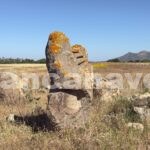

Giants’ Tomb Su Monte ‘e S’Abe: A Journey into the Mystery of the Nuragic Civilization
🏛️ Introduction: A Stone Giant at the Gates of Olbia
Hello fellow explorers! Today I want to take you to a place that truly left me speechless during my latest photographic journey in Gallura. Just a few steps from Olbia airport lies one of the most fascinating Giants’ Tombs in Sardinia. The Su Monte ‘e S’Abe Tomb is a megalithic monument that takes us back more than 4000 years, when the Nuragic civilization ruled the island. The mystery, history, and photography opportunities at Giants’ Tomb Su Monte ‘e S’Abe in Sardinia are unparalleled.
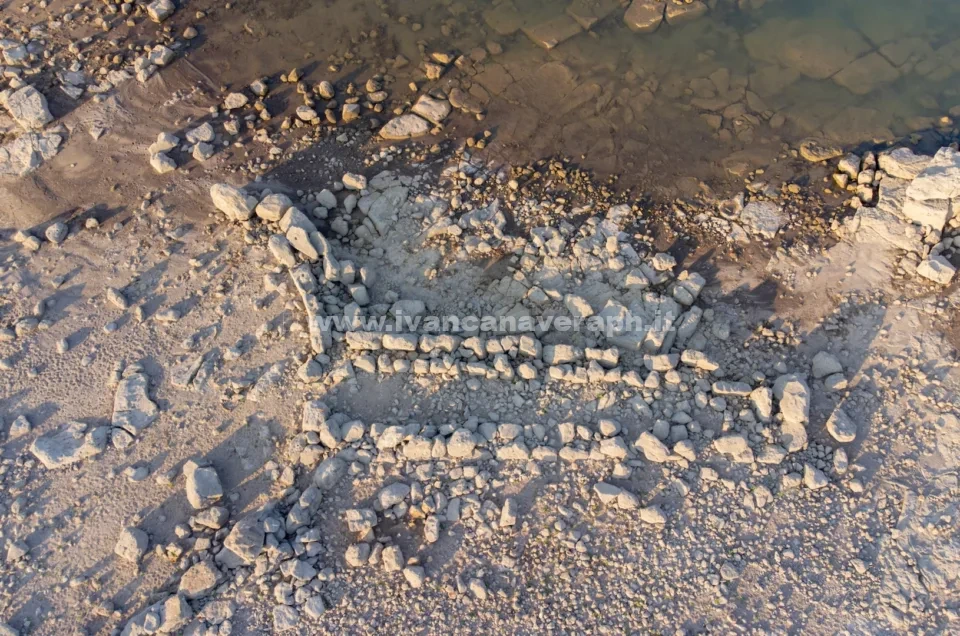
This tomb holds a record: the longest funerary chamber ever discovered in Sardinia, stretching an impressive 27 meters. But more than its colossal size, what struck me was the aura of mystery that surrounds the site. A destination that will undoubtedly capture the hearts of archaeology and photography enthusiasts and shed light on the Giants’ Tomb Su Monte ‘e S’Abe mystery.
🗺️ Location and Territorial Context
The Giants’ Tomb stands in the municipality of Olbia, right in front of the Pedres Castle, in a strategic position overlooking the surrounding landscape. During my visit, I was impressed by how easy it is to reach: just a few kilometers from the city center and minutes from the “Costa Smeralda” airport. It’s the perfect stop for those wishing to dive straight into Gallura’s ancient history and uncover the mysterious history of the site.
The area is rich in Nuragic remains, but this site stands out for its importance and preservation. Human presence in Gallura dates back to the Neolithic period, but between 1600 and 600 BC this monumental tomb was built with techniques worth photographing.
📐 Structure and Exceptional Dimensions
The scale of the tomb is breathtaking: 27 meters in length, aligned according to precise astronomical patterns. Built in two construction phases, it still preserves traces of each stage. Its layout recalls the shape of a bull’s head, a sacred Nuragic symbol linked to religious rituals and shrouded in mystery.
🛠️ Building Techniques and Materials
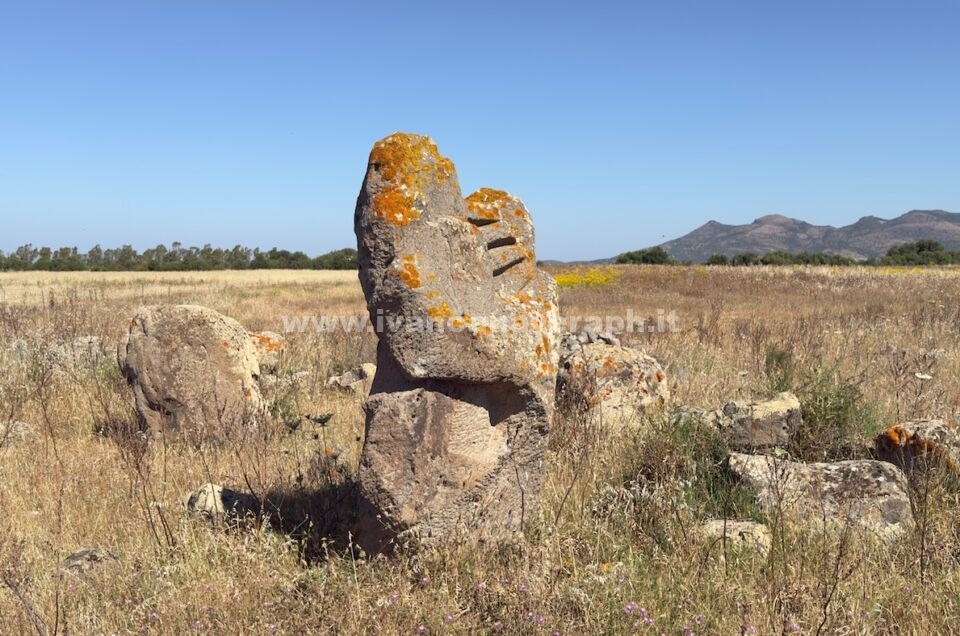
The tomb is made of local granite blocks, masterfully placed without mortar using dry-stone techniques. At the front, the semicircular exedra was used for funerary ceremonies. The inner chamber, though partially collapsed, still shows traces of its original slab covering. The precision with which the megaliths were positioned remains astonishing even today and is a favorite subject for photography.
🌄 The Approach Path: An Accessible Adventure
🥾 How to Reach the Site
From the center of Olbia, it takes only 15 minutes by car following the signs to “Su Monte ‘e S’Abe.” A large parking area welcomes visitors before a short walk. The 800-meter trail is well marked and suitable for everyone. Comfortable shoes and water are essential, especially in summer, as you prepare to explore the mystery, history, and photography opportunities.

🚶♂️ The Walking Experience
The path is easy and offers beautiful panoramic views. After a small rise, the tomb suddenly appears in all its grandeur—a breathtaking moment that always surprises me. Along the trail, information panels provide historical and archaeological insights, enriching the visit and perfect for anyone interested in the site’s mystery, history, and photography.
🔮 Mysteries and Legends of Su Monte ‘e S’Abe
👻 Popular Legends
Local stories tell of mysterious lights and ghostly figures on full moon nights. While photographing at dawn or dusk, I too felt a special, almost magical atmosphere. More than supernatural events, I believe it is the natural charm of these places that fuels imagination and adds to the Giants’ Tomb Su Monte ‘e S’Abe mystery.
🔬 Archaeological Enigmas
Archaeologists are still debating the exact meaning of the collective funerary rituals and the astronomical alignments of the site. The bull’s head shape remains a matter of discussion, as does the use of red ochre found in the chamber, suggesting complex rituals linked to the afterlife, which deepens Su Monte ‘e S’Abe’s mystery.
🏺 Historical Context and Nuragic Civilization
⏰ The Bronze Age in Sardinia
The tomb belongs to the Nuragic civilization, which flourished between 1600 and 600 BC. Giants’ Tombs were sacred places for the community, while nuraghi functioned as centers of power and control, providing rich sites for photography of their mystery.
🏛️ Ritual and Social Functions
These monuments represented the spiritual heart of Nuragic society. Collective burials revealed a strong sense of belonging, where being buried in a Giants’ Tomb was the highest social recognition. Exploring the history behind these practices adds depth to our understanding of the Su Monte ‘e S’Abe mystery.

👉 Per i miei viaggi scelgo sempre DiscoverCars per il noleggio auto.
È affidabile, veloce e con ottime tariffe.
👉 I always choose DiscoverCars for my trips.
Reliable, fast and with excellent rates.


📸 Visiting and Photography Tips
📅 Best Time to Visit
The best months are spring and autumn, with mild temperatures and ideal light for photography. At sunset, the megaliths glow with extraordinary plays of light and shadow, while dawn offers magical atmospheres. In summer, morning or evening visits are preferable to capture the essence of the Giants’ Tomb Su Monte ‘e S’Abe in Sardinia.
📷 Photography Suggestions
Bring a wide-angle lens to capture the whole structure and a telephoto lens for details. A tripod is useful at dawn or dusk. Some of the best shots can be taken along the tomb’s longitudinal axis, emphasizing its record length and integrating the site’s mystery, history, and photography.
Maps:
Gallery:


👉 Per i miei viaggi mi affido sempre a Discoverycars per il noleggio auto. Se vuoi viaggiare senza pensieri, ti consiglio questa società: clicca sull’immagine e scopri di più!
👉 I always choose Discoverycars for my trips. If you want to travel safely and worry-free, I highly recommend them – just click the image to learn more!
👉 En mis viajes siempre confío en Discoverycars para alquilar el coche. Si quieres viajar con tranquilidad, te recomiendo esta compañía: haz clic en la imagen y descubre más.

Le tombe dei giganti, tra i monumenti più importanti della Sardegna, risalgono a circa 3.000 anni fa e si trovano in diverse aree dell’isola. Per saperne di più, puoi leggere un articolo qui. Ecco un elenco di alcune di queste tombe:
- – Tomba dei giganti di Lu Brandali, Santa Teresa Gallura (SS)
- – Tomba dei giganti di Iloi, Sedilo (OR)
- – Tomba dei giganti Is Lapideddas, Gonnosno (OR)
- – Tomba dei giganti di Aiodda, Nurallao (SU)
- – Tomba dei giganti di Barrancu Mannu, Santadi (SU)
- – Tomba dei giganti di Bau e Tuvulu, Ulassai (NU)
- – Tomba dei giganti di Biristeddi, Dorgali (NU)
- – Tomba dei giganti di Bruncu Espis, Arbus (SU)
- – Tombe dei giganti di Goronna, Paulilatino (OR)
- – Tomba dei giganti di Imbertighe, Borore (NU)
- – Tomba dei giganti di Is Concias, Quartucciu (CA)
- – Tomba dei giganti di Laccaneddu, Villanova Monteleone (SS)
- – Tomba dei giganti di Lassia, Birori (NU)
- – Tomba dei giganti di Coddu Ecchju, Arzachena (SS)
- – Tomba dei giganti di Li Lolghi, Arzachena (SS)
- – Tomba dei Giganti Su Niu de Su Crobu, Sant’Antioco (SU)
- – Tomba dei giganti di Madau, Fonni (NU)
- – Tomba dei giganti di Muraguada, Bauladu (OR)
- – Tomba dei giganti di Oratanda, Cuglieri (OR)
- – Tomba dei giganti di Oridda, Sennori (SS)
- – Tomba dei giganti di Osono, Triei (NU)
- – Tomba dei giganti di Palatu, Birori (NU)
- – Tomba dei giganti di Pascaredda, Calangianus (SS)
- – Tomba dei giganti di Sa Dom’e s’Orcu, Dolianova (SU)
- – Tomba dei giganti di Sa Domu ‘e S’Orcu, Siddi (SU)
- – Tomba dei Giganti di S’Ena e Thomes, Dorgali (NU)
- – Tomba dei Giganti di Sa Farch’e s’Artare, Seneghe (OR)
- – Tomba dei Giganti di Sa Perda ‘e S’Altare, Birori (NU)
- – Tomba dei Giganti di San Cosimo, Gonnosfanadiga (SU)
- – Tomba dei Giganti di Santu Bainzu, Borore (NU)
- – Tomba dei Giganti di Sas Presones, Cuglieri (OR)
- – Tomba dei Giganti di Su cuaddu ‘e Nixias, Lunamatrona (SU)
- – Tomba dei Giganti di Su Mont’e s’Abe, Olbia (SS)
- – Tombe dei Giganti di Sa Mandara, Guasila (SU)
- – Tombe dei Giganti di Monte Prano, Villaperuccio (SU)
- – Tomba dei Giganti di Paule Luturru, Samugheo (OR)
- – Tomba Megalitica di Pranu Ciara, Suelli (CA)
- – Tomba dei Giganti Perda Cossu, Norbello (OR)
- – Tomba dei Giganti Cuccuru Mannu, Riola Sardo (OR)
- – Tomba dei Giganti Sa Sedda e sa Caudela, Collinas (SU)
Se ti piacciono queste immagini, puoi acquistarle cliccando QUI o QUI.


You might also like